

Abu Dhabi opens first net-zero energy mosque as Ramadan 2026 begins
Landmark project in Masdar City sets sustainability benchmark
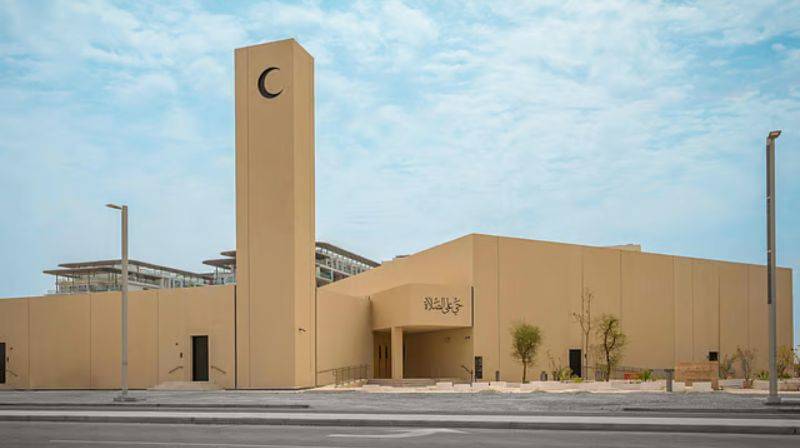
DUBAI – Abu Dhabi marked the first day of Ramadan with the opening of its first net-zero energy mosque, setting a new benchmark for sustainable religious architecture in the United Arab Emirates (UAE).
Located in Masdar City, the mosque blends traditional Emirati design with advanced environmental technology. The project reflects a broader push towards sustainability as the holy month begins.
The mosque produces as much electricity as it consumes annually, making it a net-zero energy building. Powered entirely by solar energy, it stands as a regional milestone in green construction and faith-based architecture.
Sustainable design
Inspired by Al Bidyah Mosque, one of the country’s oldest mosques, the design bridges heritage and innovation. The structure has earned LEED Platinum certification, a 4 Pearl PBRS Estidama rating and Net-Zero Energy Certification from the International Living Future Institute.
A total of 1,074 square metres of solar photovoltaic panels have been installed across the roof and parking shade structures. These generate enough clean electricity to meet 100 per cent of the mosque’s annual energy requirements.
Ahmed Baghoum, Chief Executive Officer of Masdar City, said the project demonstrates how places of worship can lead by example in sustainability. He noted that environmental stewardship aligns closely with Islamic values of balance and moderation, adding that net-zero design is achievable today.
Architectural features
The mosque can accommodate up to 1,300 worshippers. Its 20.2-metre-high minaret rises prominently above the Masdar City skyline, while inside, a 42-metre-wide column-free prayer hall provides uninterrupted space for worship.
One of its most distinctive elements is the 319 cubic metre rammed earth Qibla wall, the first of its kind in a public building in Abu Dhabi. Designed to regulate indoor temperatures naturally, it reflects traditional regional construction methods while reducing reliance on mechanical cooling.
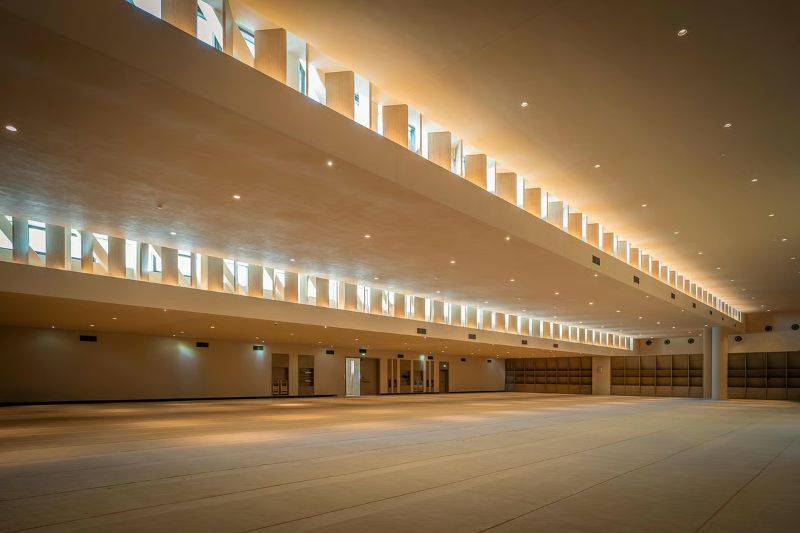
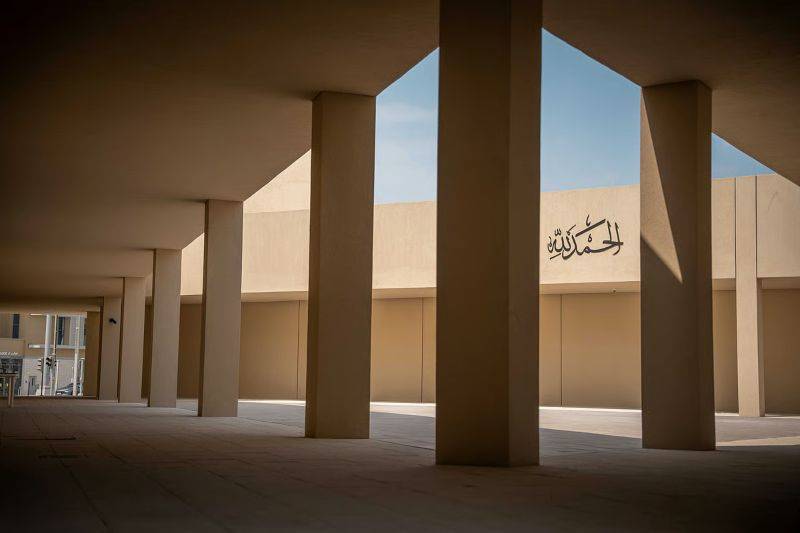
Passive design strategies further enhance efficiency. Optimal building orientation, shaded arcades, natural ventilation and daylighting work together to reduce energy demand. These are supported by district cooling and energy-efficient LED lighting systems.
Water innovation
The mosque also features Abu Dhabi’s first grey water recycling system in a mosque. Water used for ablution is treated and reused for irrigation, reducing overall water consumption.
Beyond Ramadan, the mosque is expected to serve as a hub for cultural and faith-based gatherings, reinforcing its role within the community. Its opening coincides with the UAE’s Year of Family and aligns with the country’s Net Zero by 2050 Strategic Initiative, positioning the mosque as both a spiritual sanctuary and a model for sustainable urban development.